
Introduction For decades, global finance has followed a simple logic: we invest money to generate more money. A self-contained cycle focused on
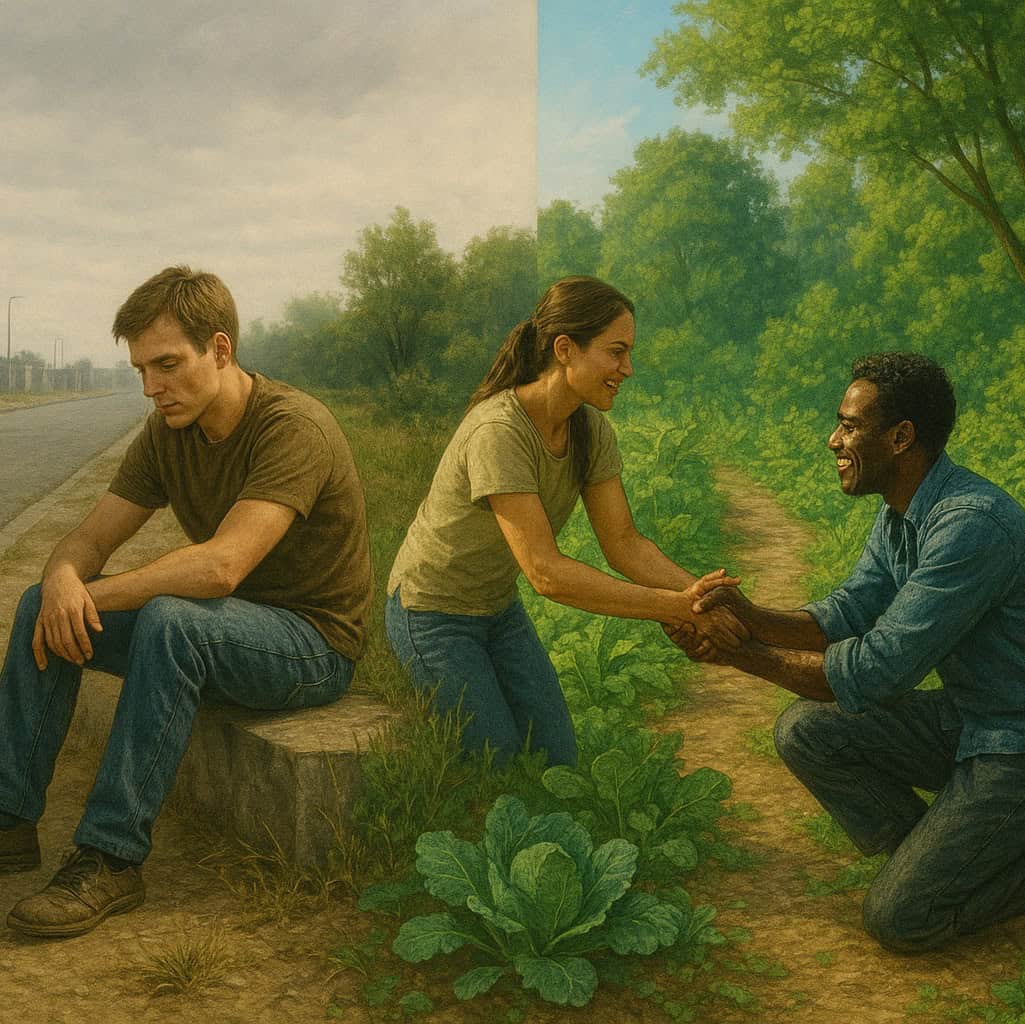
Introduction Modern societies are torn between heightened individualism and a growing need for solidarity. On one hand, individualism has fostered personal fulfillment, freedom, and innovation. On the other, it has deepened
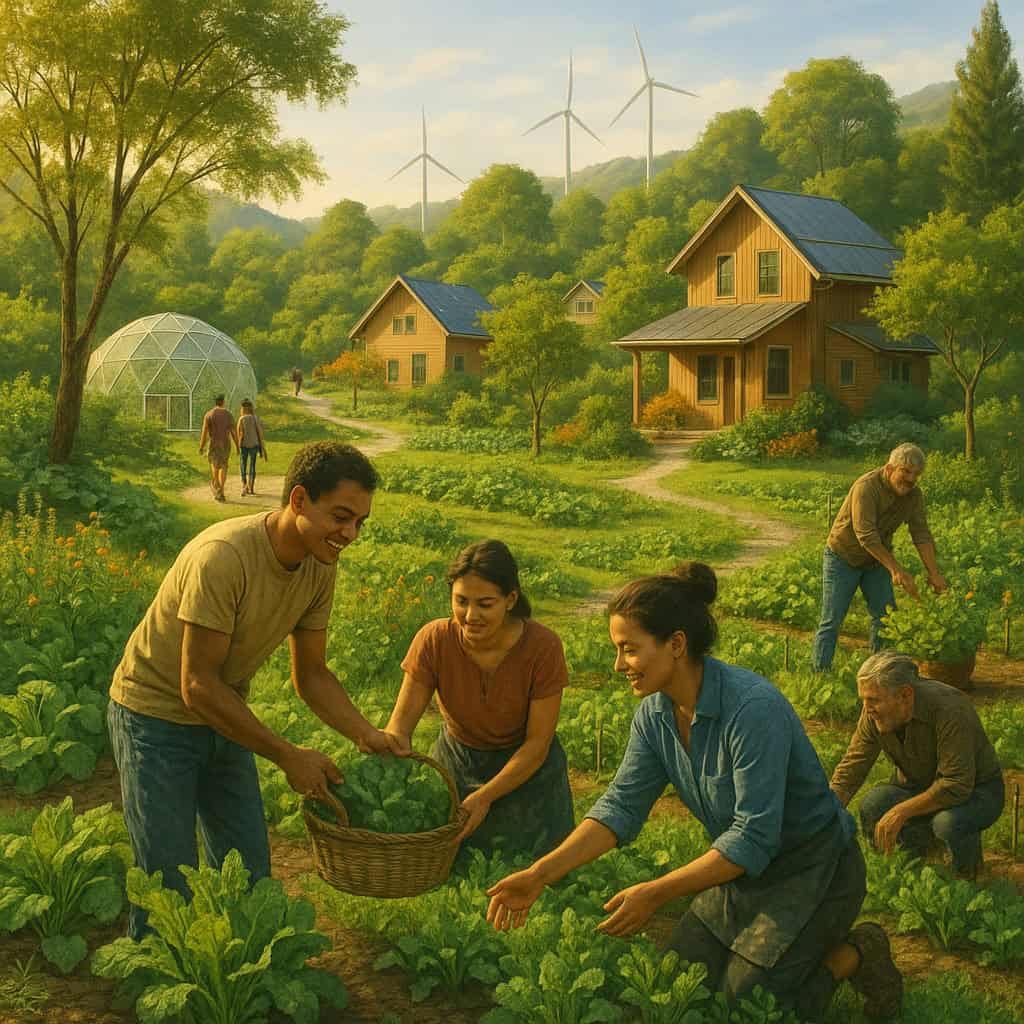
Introduction In the face of the ecological and social challenges of the 21st century, some communities have chosen a different path… one of sustainability, autonomy, and collective responsibility. Rather than enduring the

Introduction Unity is often seen as a utopia in a world marked by economic, cultural, and political divisions. Yet several societies have proven that when social cohesion is strengthened, the benefits

Introduction In a globalized world dominated by powerful financial forces, local currencies are emerging as a powerful alternative to support local economies and enhance community resilience. Amid economic and ecological crises,
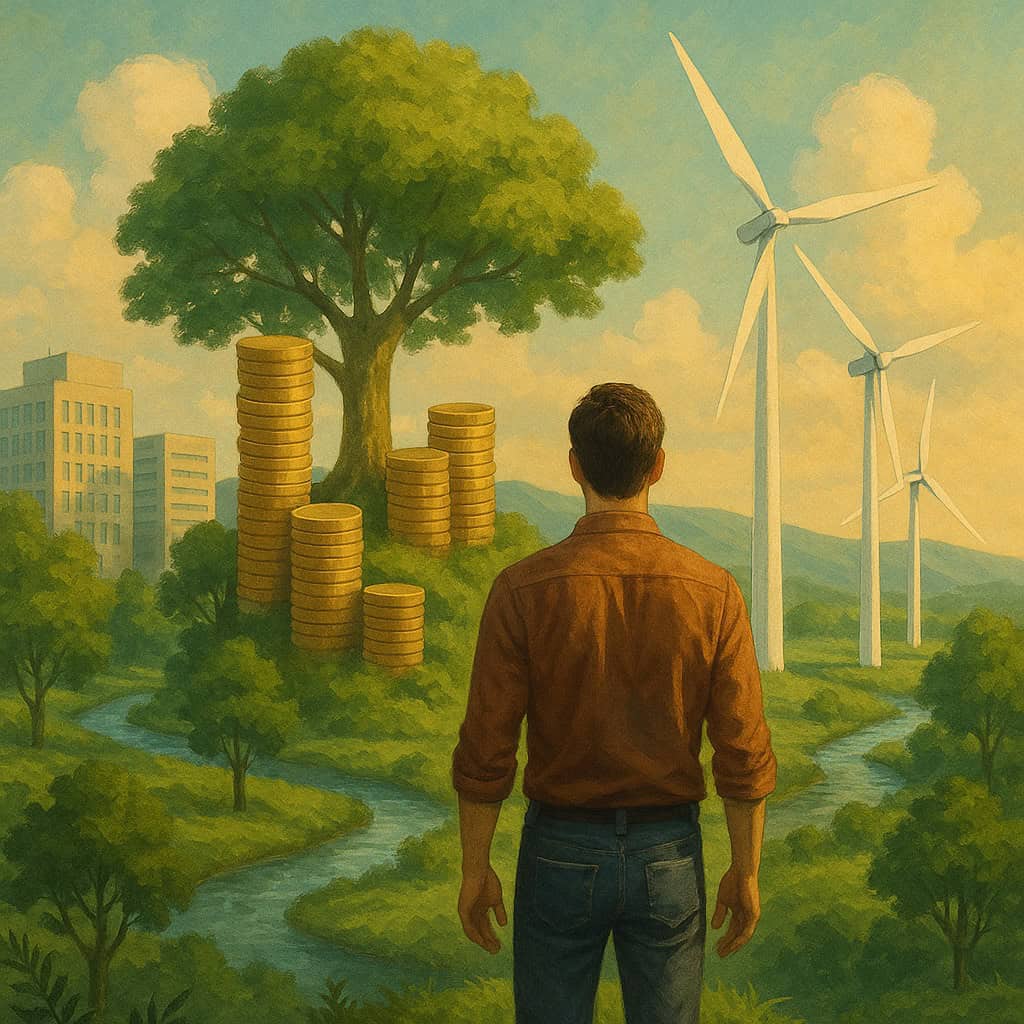
Introduction Modern economics has often prioritized growth and profit at the expense of individuals. Human beings are too often reduced to mere productive cogs, subjected to market demands and dehumanizing financial
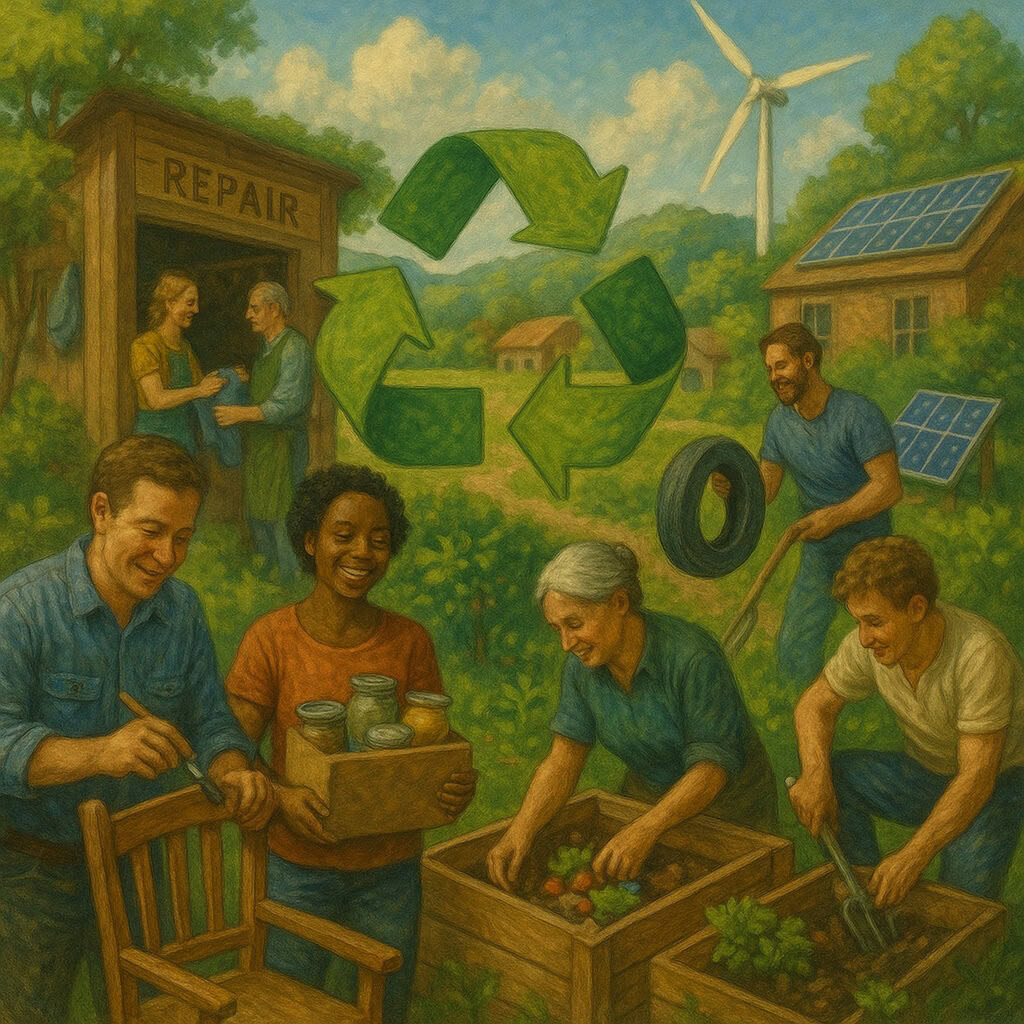
Introduction Since the Industrial Revolution, the global economy has followed a linear model: extract, produce, consume, discard. This pattern results in massive exploitation of natural resources, excessive pollution, and unmanageable waste
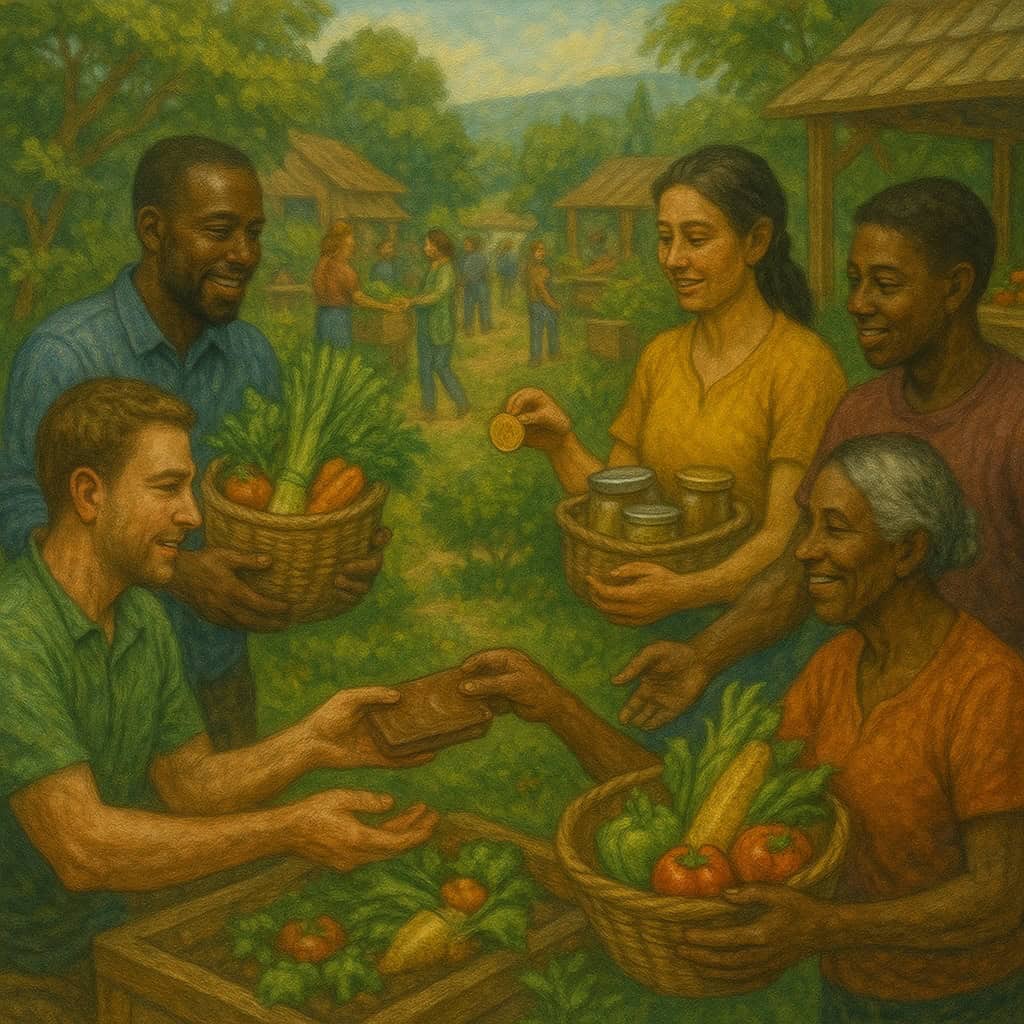
Introduction Economic inequalities have reached critical levels: today, the richest 1% own over 45% of global wealth (Oxfam, 2023), while billions of people struggle to meet their basic needs. In light of
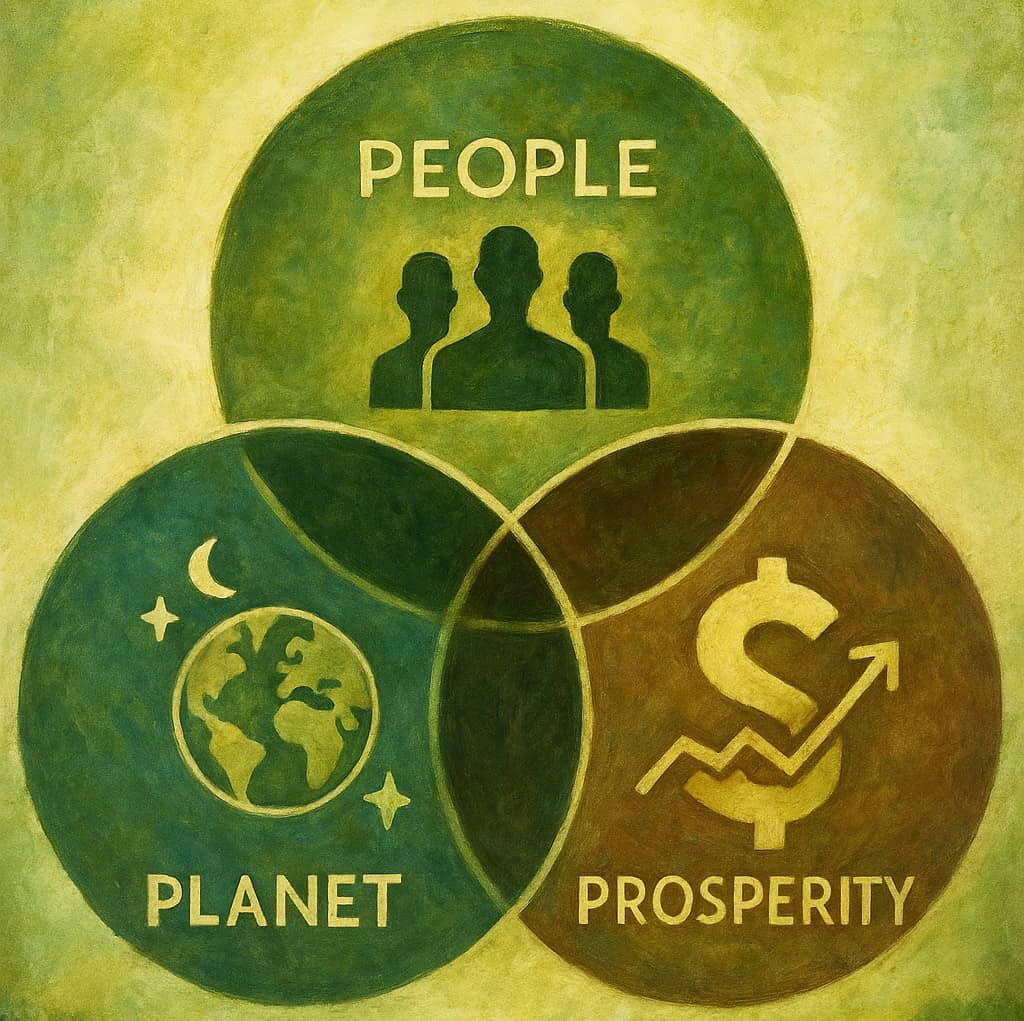
Introduction Today’s economy is primarily driven by profit maximization, concentrating wealth in the hands of a few while often neglecting collective well-being and ecological balance. But is this model sustainable in