
Introduction Faced with the multiple crises of the 21st century… ecological, economic, social, and geopolitical—political decisions often appear

Introduction In a world marked by economic, ecological, and social crises, international cooperation has become an absolute necessity. Yet current policies remain dominated by often contradictory national interests, slowing the implementation
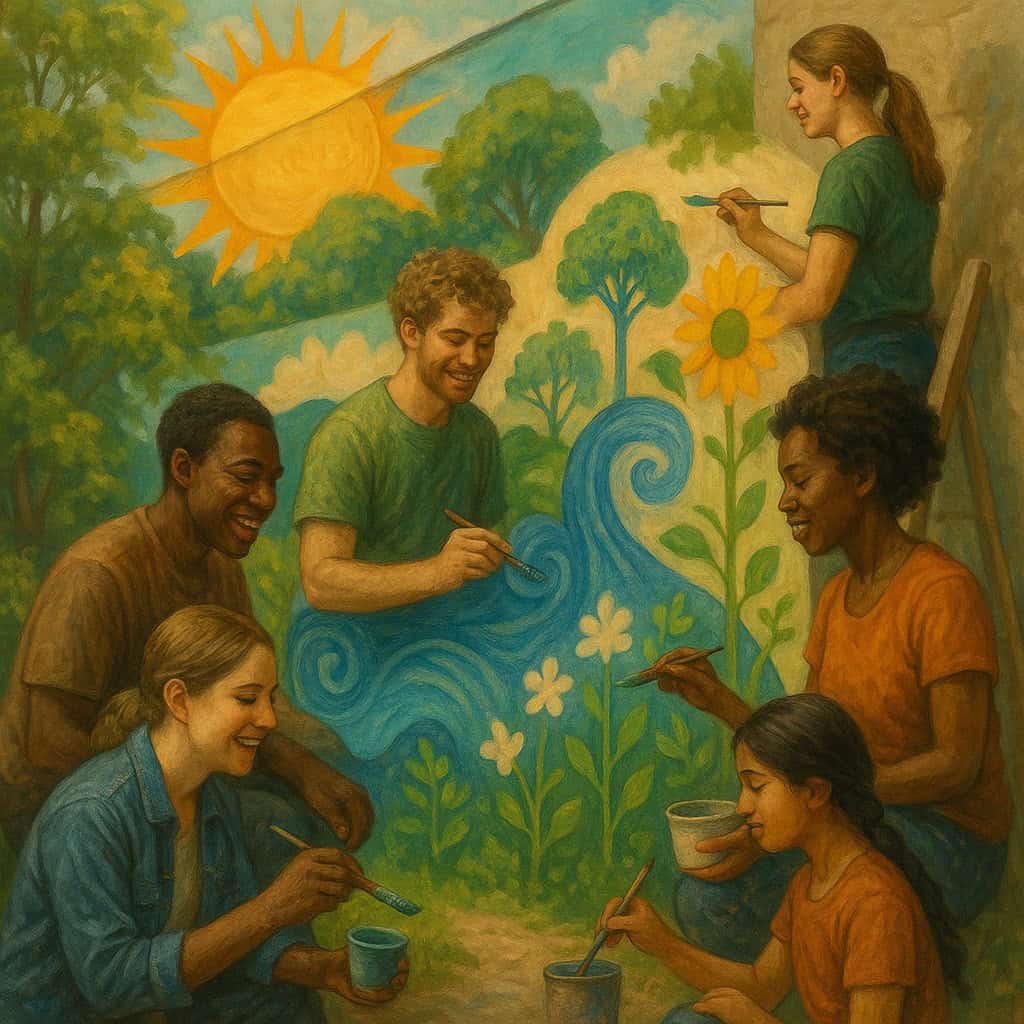
Introduction Art transcends borders, beliefs, and cultural differences. It is a universal language that connects individuals, expresses identities, and fosters social bonds. In a world increasingly fragmented by tension and division,
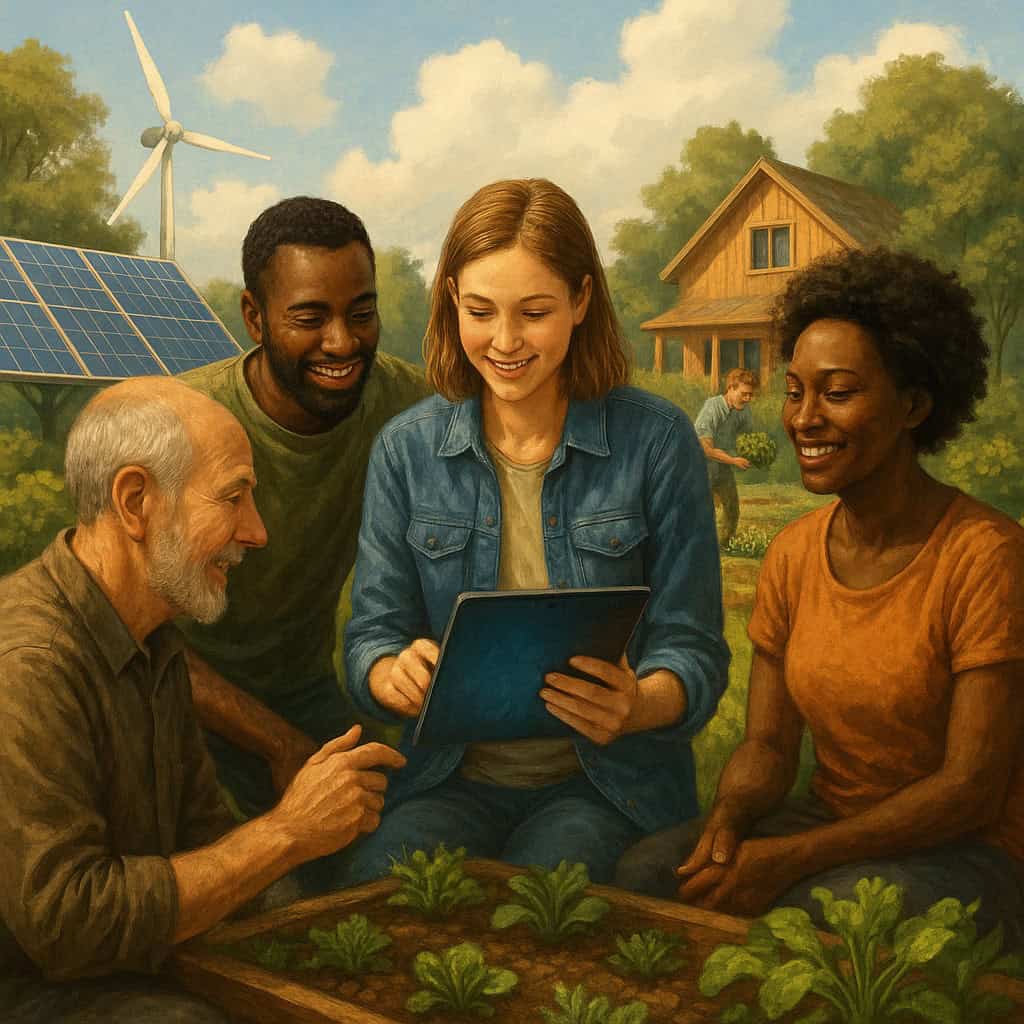
Introduction New technologies are often seen as a divisive force: social networks that polarize opinions, artificial intelligence that widens inequality, automation that threatens jobs. And yet, they also hold the potential
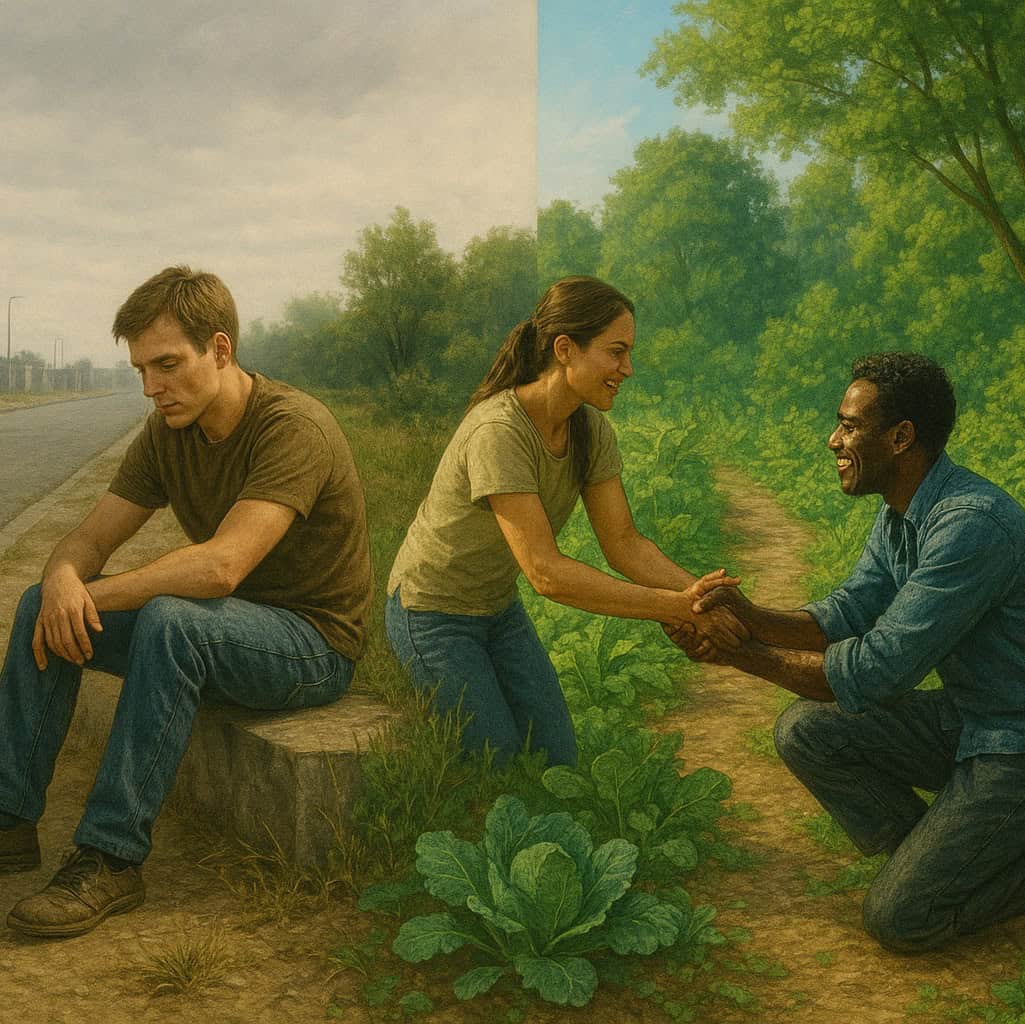
Introduction Modern societies are torn between heightened individualism and a growing need for solidarity. On one hand, individualism has fostered personal fulfillment, freedom, and innovation. On the other, it has deepened
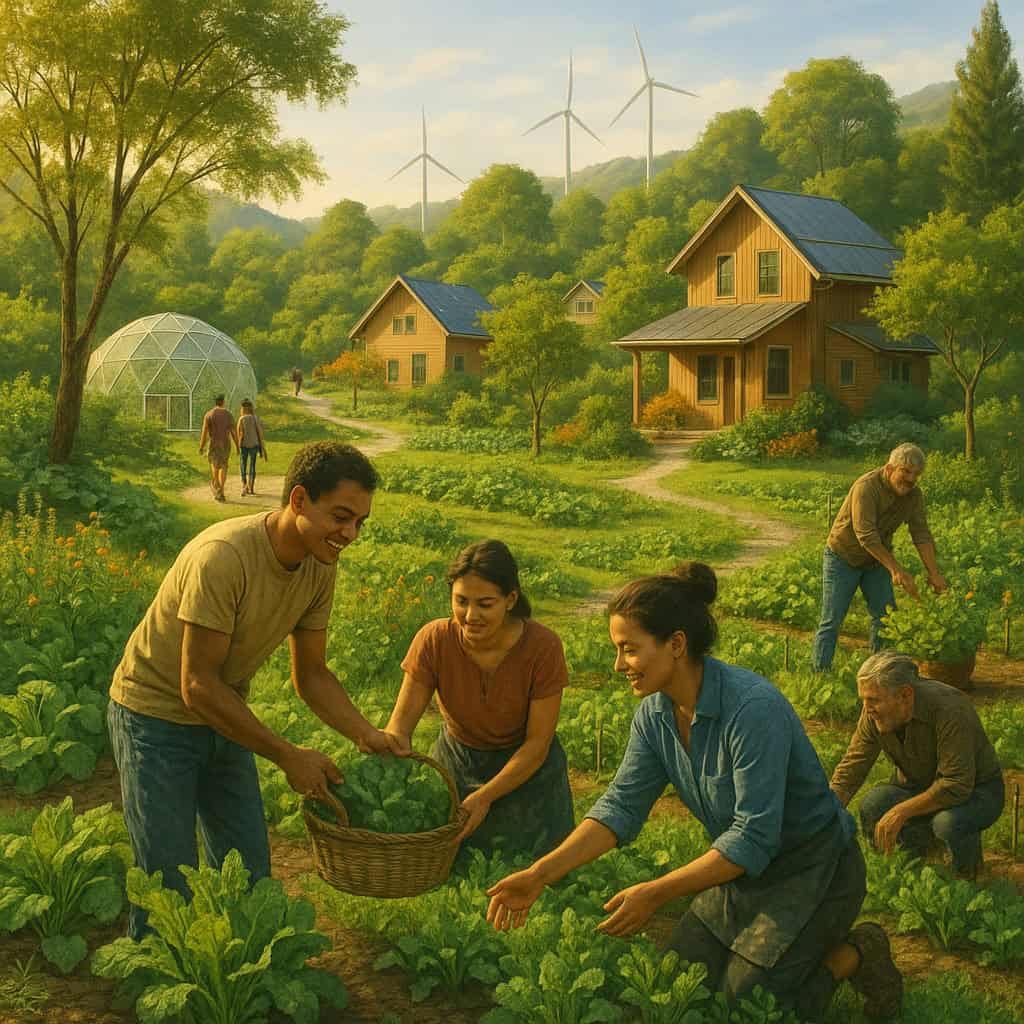
Introduction In the face of the ecological and social challenges of the 21st century, some communities have chosen a different path… one of sustainability, autonomy, and collective responsibility. Rather than enduring the

Introduction Unity is often seen as a utopia in a world marked by economic, cultural, and political divisions. Yet several societies have proven that when social cohesion is strengthened, the benefits

Introduction In a globalized world dominated by powerful financial forces, local currencies are emerging as a powerful alternative to support local economies and enhance community resilience. Amid economic and ecological crises,
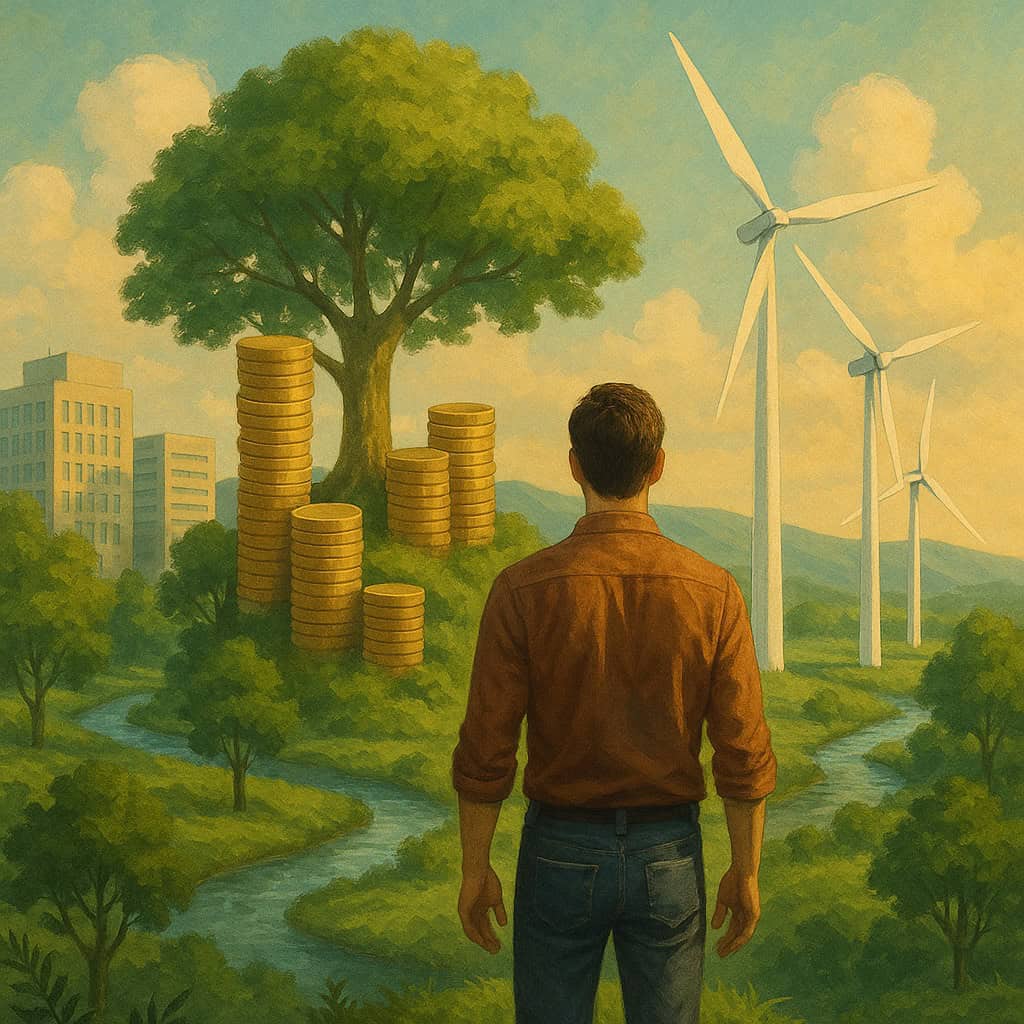
Introduction Modern economics has often prioritized growth and profit at the expense of individuals. Human beings are too often reduced to mere productive cogs, subjected to market demands and dehumanizing financial