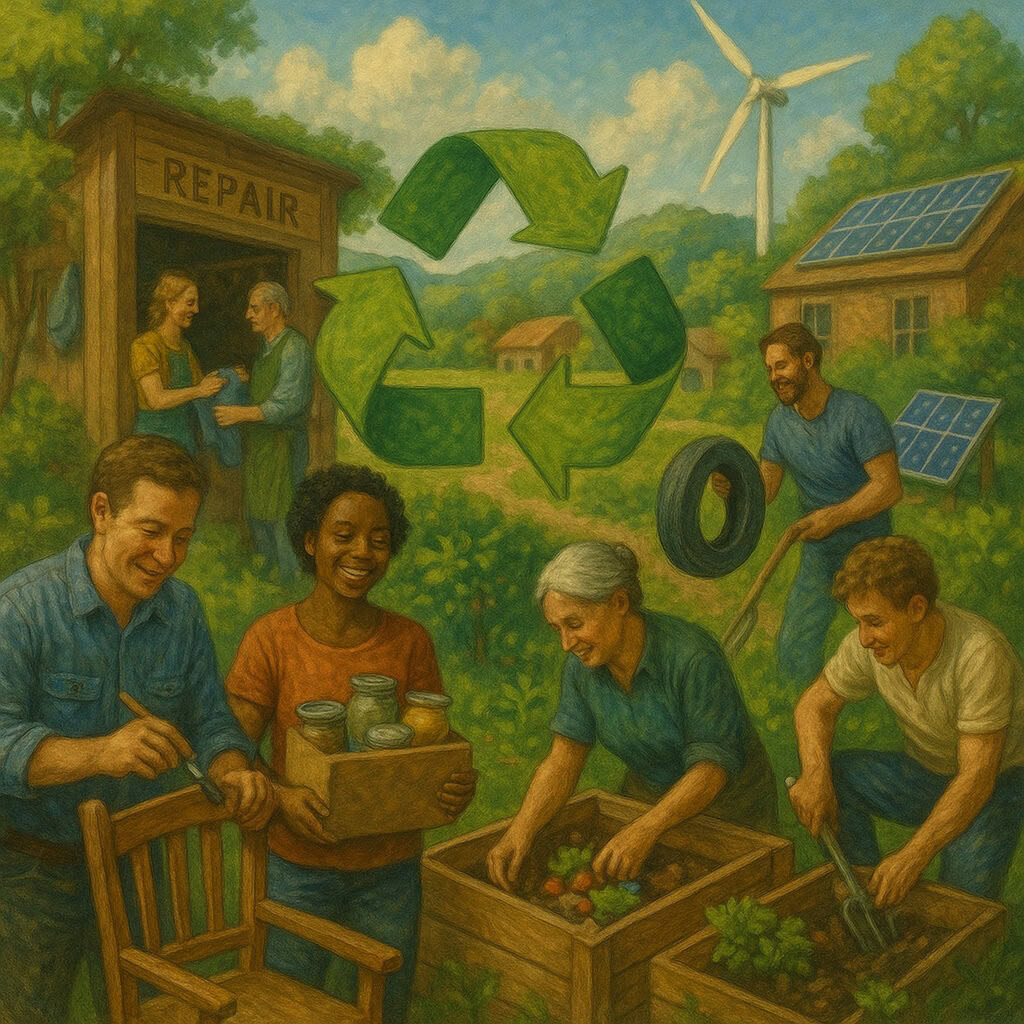
Introduction Since the Industrial Revolution, the global economy has followed a linear model: extract, produce, consume, discard. This pattern results in massive exploitation of natural resources, excessive pollution, and unmanageable waste
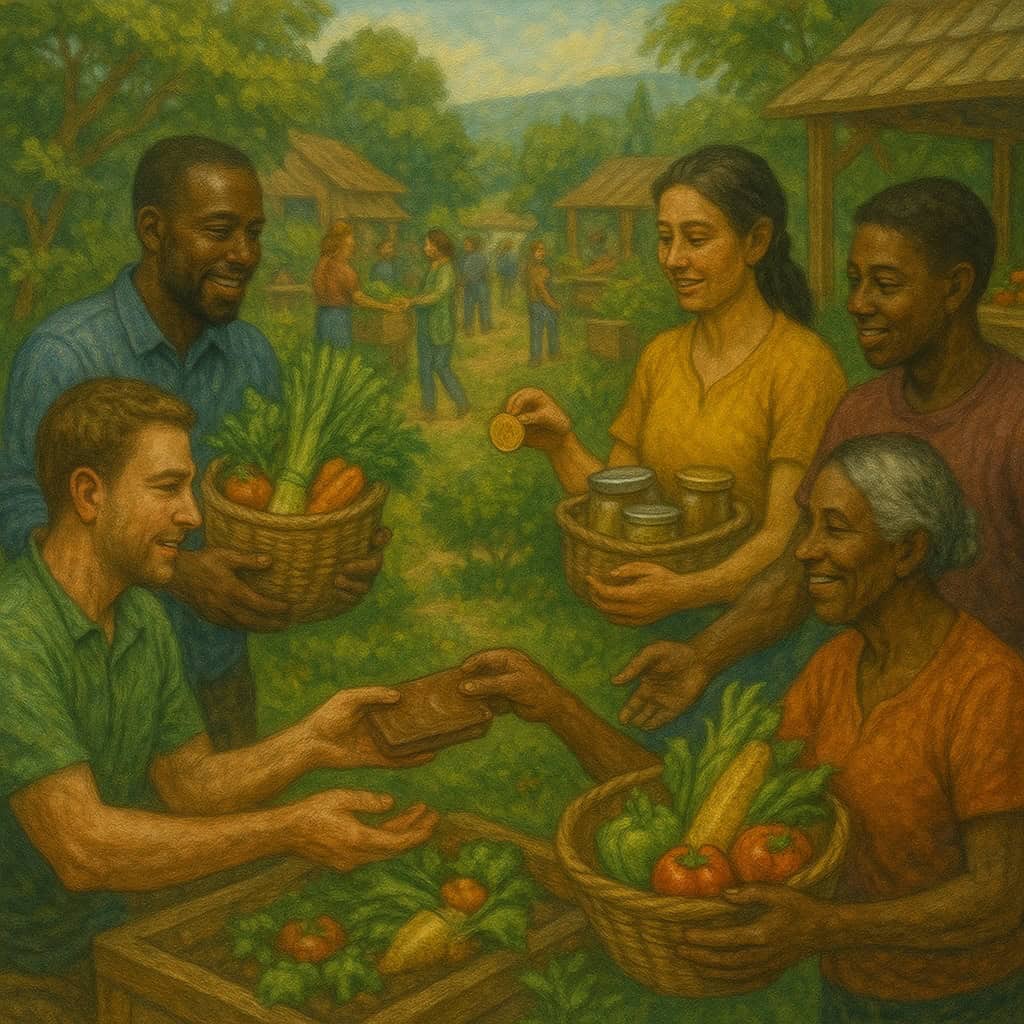
Introduction Economic inequalities have reached critical levels: today, the richest 1% own over 45% of global wealth (Oxfam, 2023), while billions of people struggle to meet their basic needs. In light of
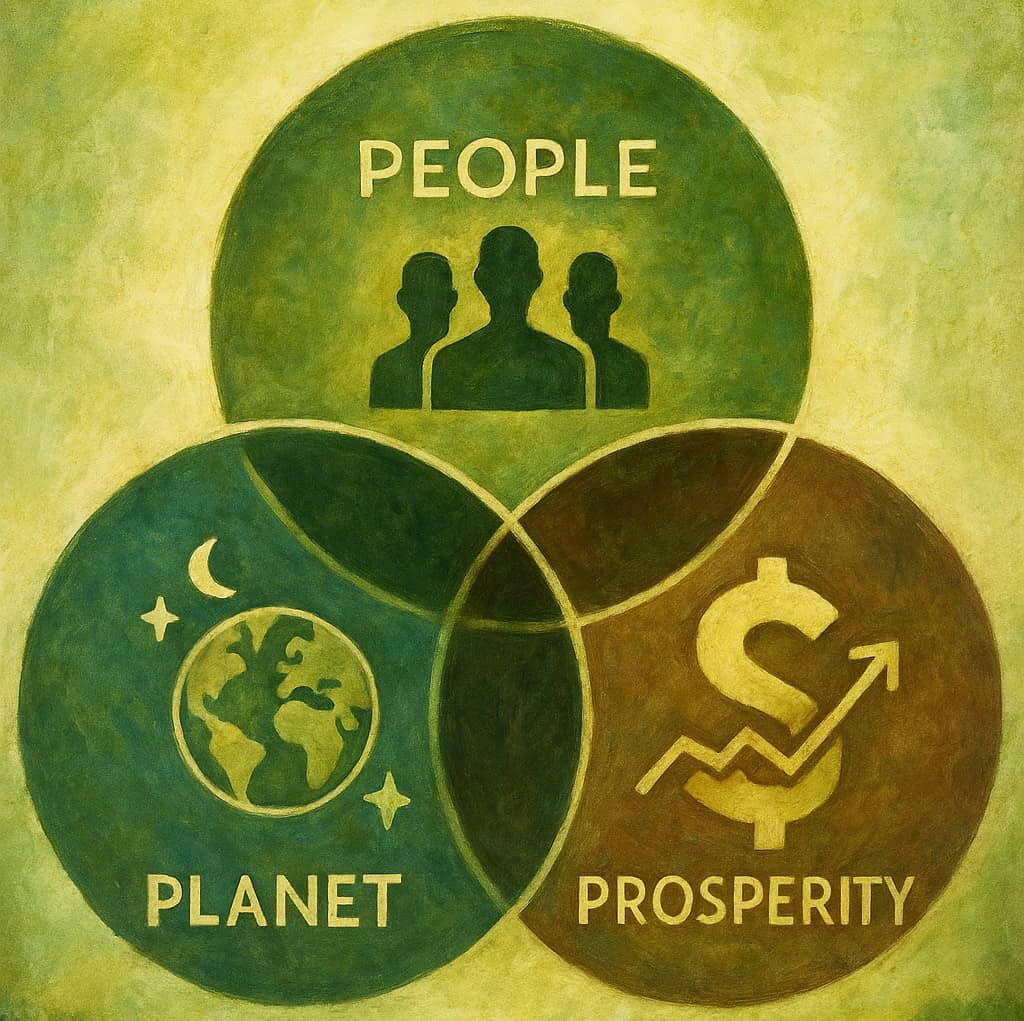
Introduction Today’s economy is primarily driven by profit maximization, concentrating wealth in the hands of a few while often neglecting collective well-being and ecological balance. But is this model sustainable in
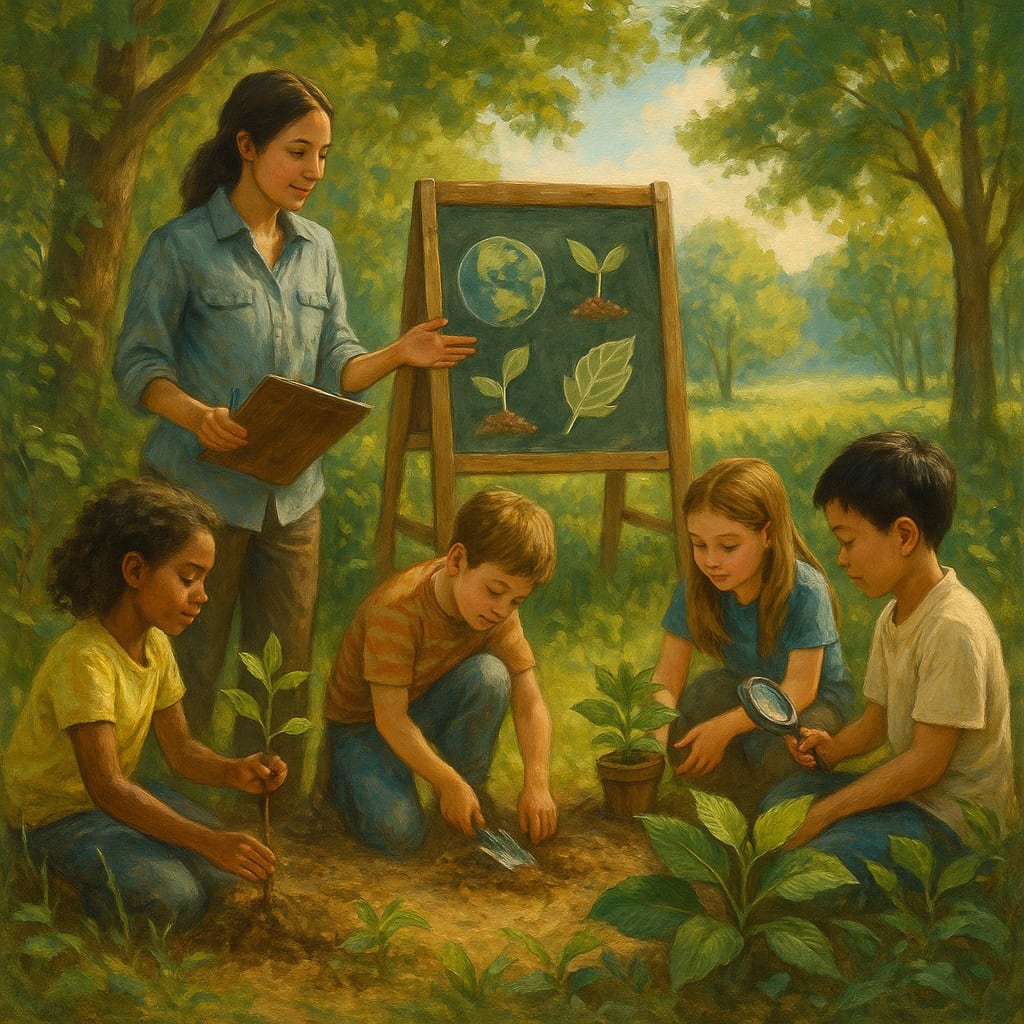
Introduction As the planet faces unprecedented environmental crises, education remains the most powerful lever to shape a generation that is aware, responsible, and engaged in protecting life. Yet ecology and sustainability
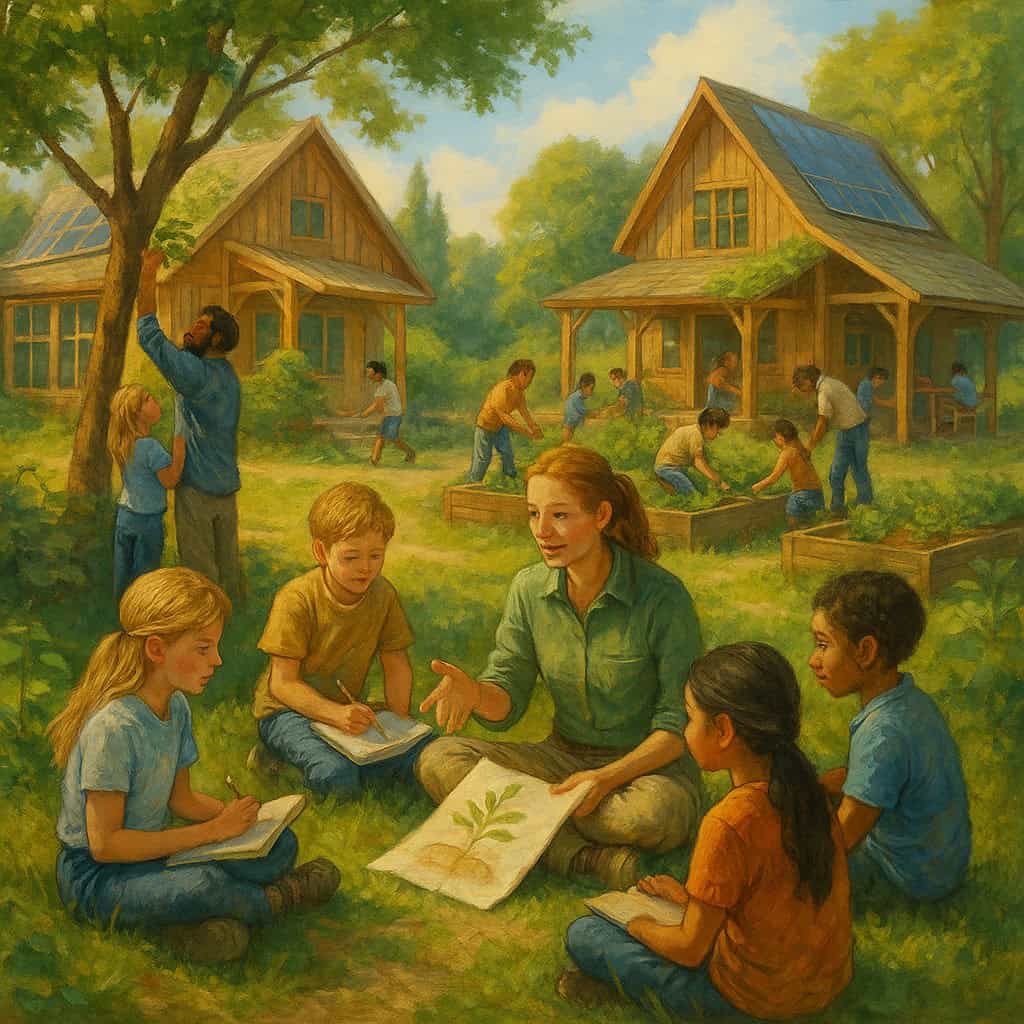
Introduction Faced with the limitations of traditional educational systems, more and more parents, teachers, and researchers are turning to alternative schools that place the child at the center of learning and
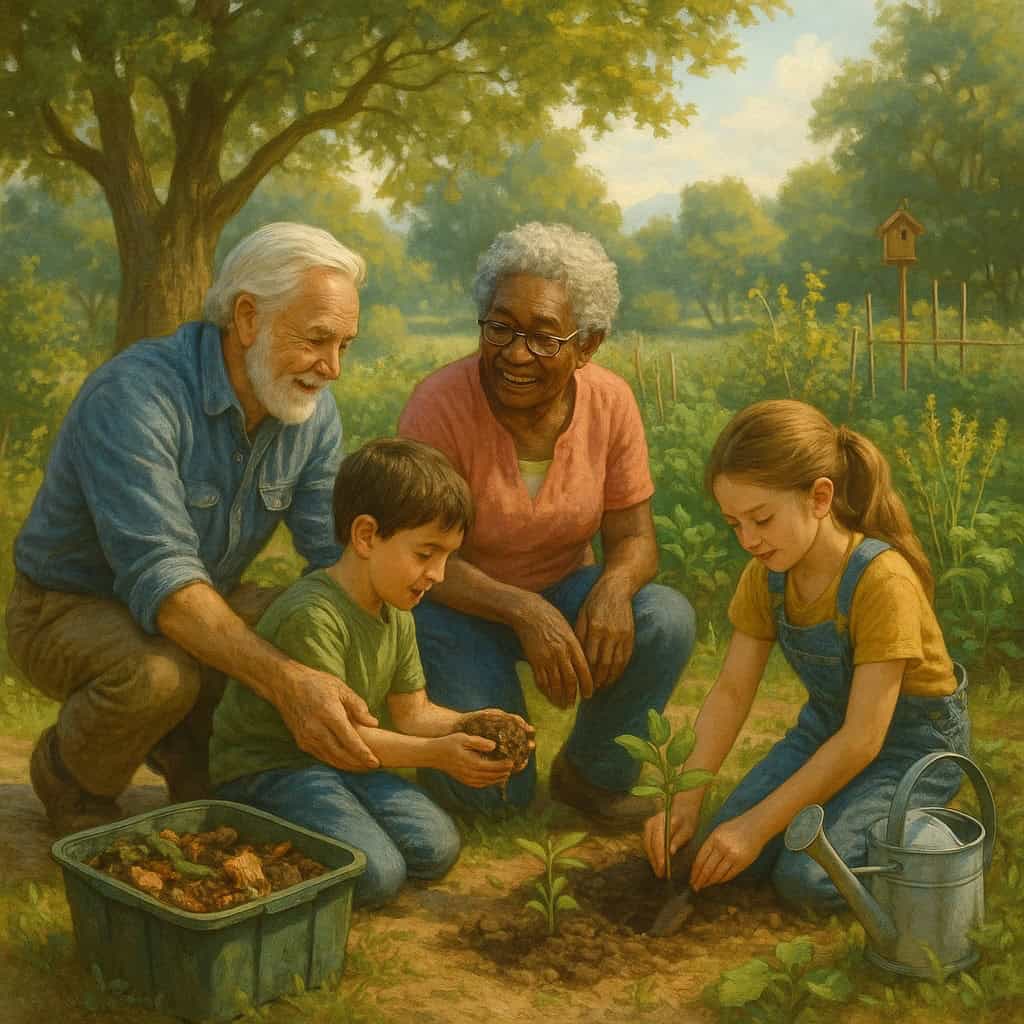
Introduction In a world where generations seem increasingly disconnected, intergenerational education emerges as a powerful solution to restore bonds, transmit collective memory, and strengthen awareness of the Whole. How can learning between
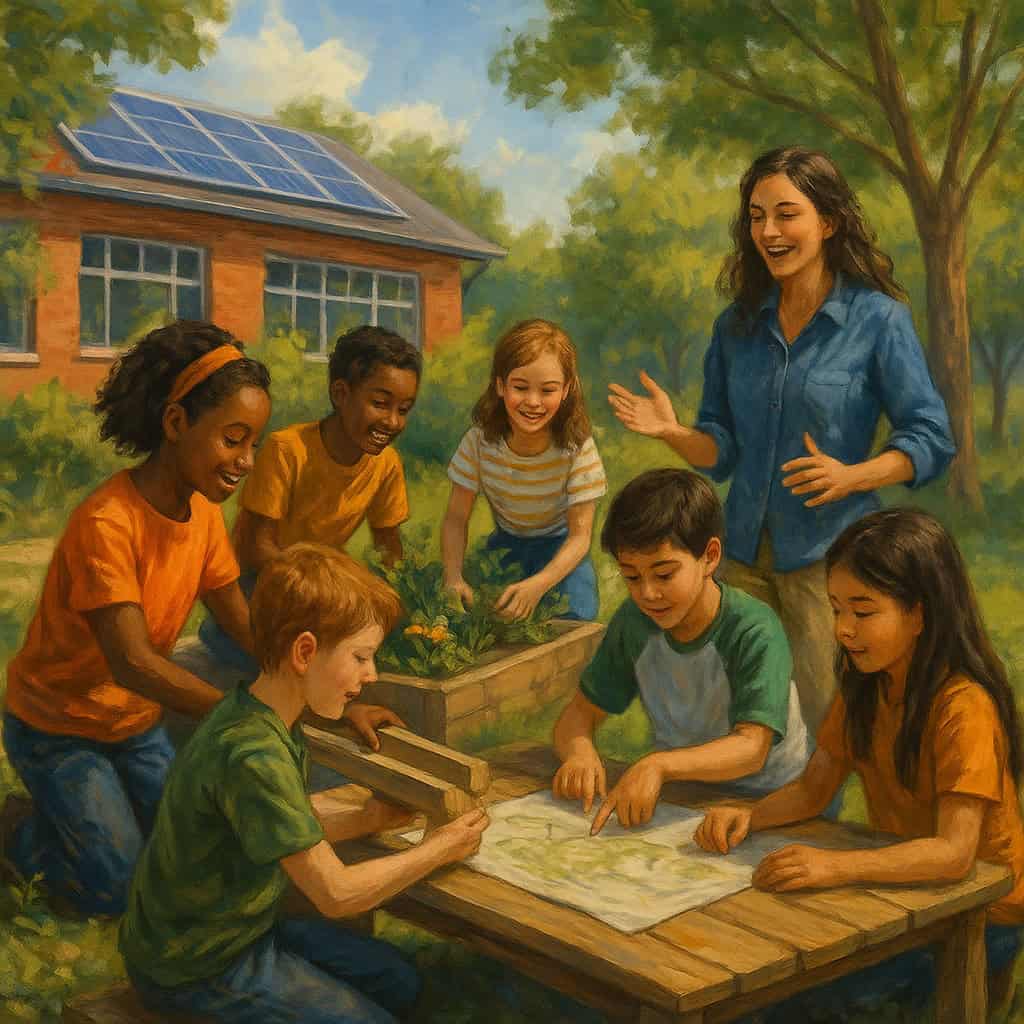
Introduction Traditional education has long emphasized individual performance and competition among students. Yet in an interconnected world facing major collective challenges, the ability to collaborate has become an essential skill. How can
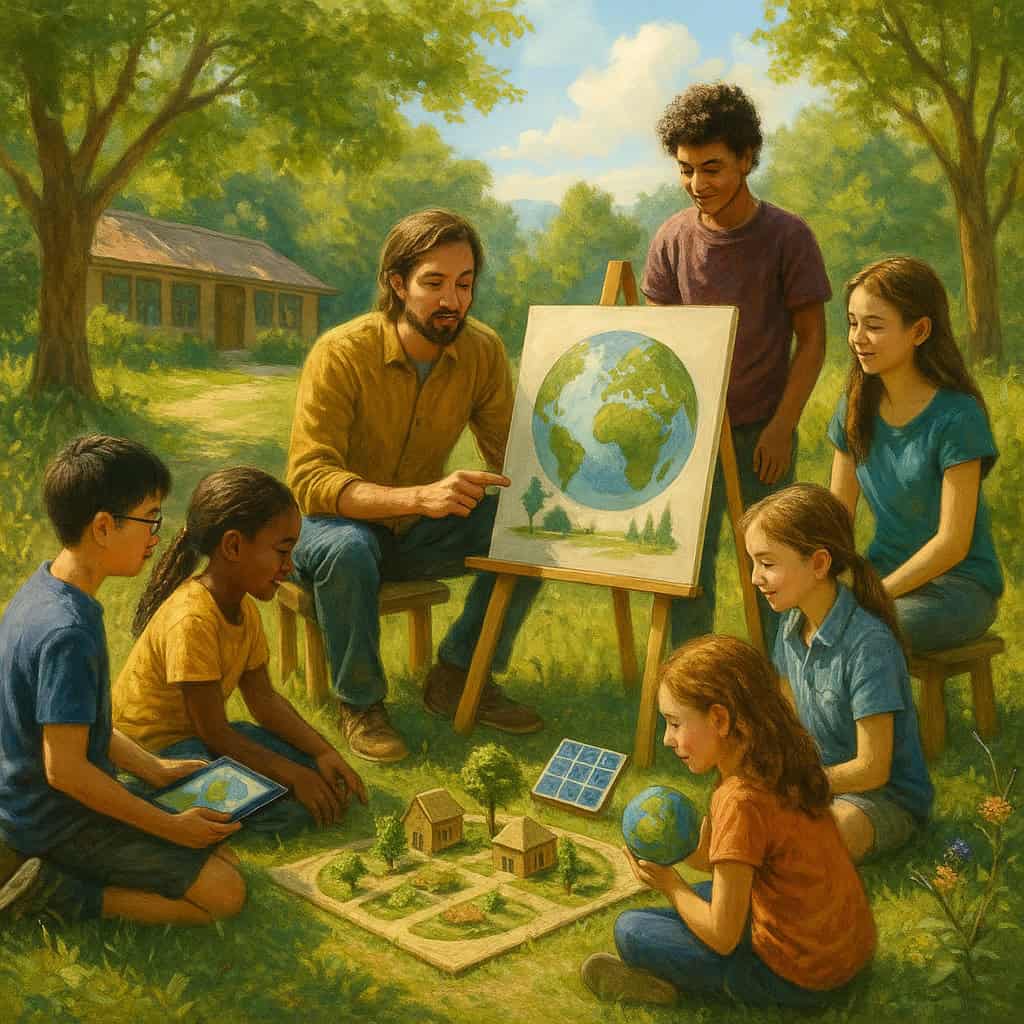
Introduction Education plays a central role in shaping the world of tomorrow. Yet, current educational systems remain largely rooted in a competitive and fragmented model, emphasizing the accumulation of knowledge over

Introduction In a world where beliefs and worldviews differ, tensions between believers and non-believers are sometimes perceived as insurmountable barriers. Yet, beyond these differences lies an essential question: Can we build